Between the Heart and the Bedroom: A Cardiologist's Guide to ED Medications and Cardiovascular Safety

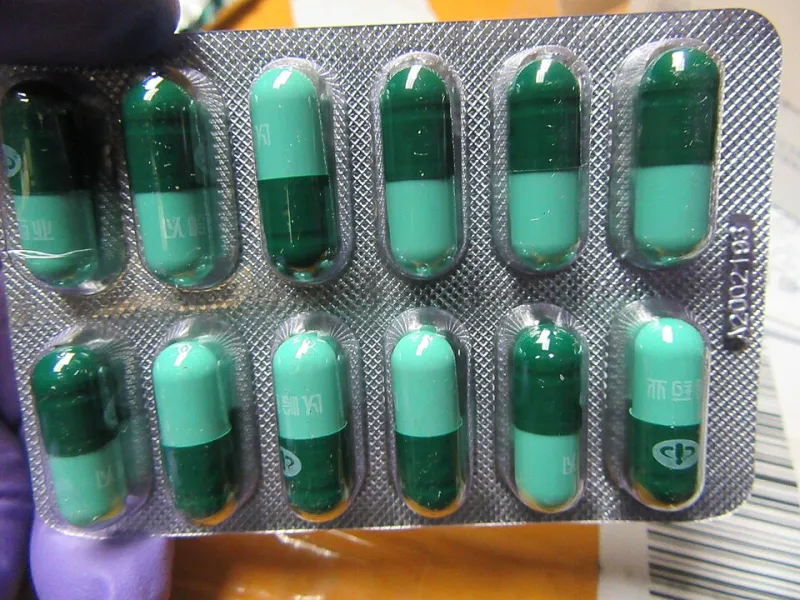
Photo: Anjuiop, CC BY-SA 4.0, via Wikimedia Commons
Erectile dysfunction and cardiovascular disease share more than a patient demographic — they share a common physiological thread. Both conditions involve blood vessel function, endothelial health, and circulatory efficiency. For the estimated 30 million American men living with ED, a significant portion also carry a diagnosis of heart disease, hypertension, or some form of vascular impairment. Yet despite this overlap, conversations about sexual health rarely make it onto the cardiology appointment agenda.
This article aims to change that. What follows is a clinically informed, plainly written examination of how ED medications interact with the cardiovascular system — and what you should discuss with your physician before filling a prescription.
How ED Medications Work on Blood Vessels
Phosphodiesterase type 5 (PDE5) inhibitors — the drug class that includes sildenafil, tadalafil, vardenafil, and avanafil — work by relaxing smooth muscle in blood vessel walls, allowing greater blood flow to penile tissue. This mechanism is fundamentally vascular. The drugs do not act on the brain or hormones; they act directly on blood vessels.
Because of this, the cardiovascular effects of PDE5 inhibitors extend beyond the intended target area. These medications produce a modest reduction in systemic blood pressure — typically 5 to 8 mmHg in systolic readings — and a mild decrease in diastolic pressure as well. For most healthy men, this is clinically insignificant. For men with underlying heart conditions or those taking certain cardiac medications, however, this hemodynamic shift can become consequential.
The Nitrate Interaction: A Firm Contraindication
If there is one rule in cardiovascular pharmacology that physicians consider absolute, it is this: PDE5 inhibitors must never be combined with nitrate medications. Nitrates — including nitroglycerin tablets, nitrate patches, and long-acting formulations like isosorbide mononitrate — are commonly prescribed for angina and acute coronary events. They work through a mechanism that overlaps directly with PDE5 inhibitors, and when the two are combined, the result can be a sudden, severe drop in blood pressure that may cause fainting, stroke, or cardiac arrest.
This is not a theoretical risk. The FDA has issued clear contraindication guidance on this combination, and emergency departments across the United States have documented cases of dangerous hypotension in men who took a PDE5 inhibitor within 24 to 48 hours of nitrate use. If you use any form of nitrate medication — prescribed or recreational (including amyl nitrite, commonly called "poppers") — you should not take ED medications without explicit clearance from your prescribing physician.
Blood Pressure Medications: A More Nuanced Picture
Unlike the nitrate interaction, the relationship between PDE5 inhibitors and antihypertensive medications is not uniformly dangerous — but it does require careful management. Alpha-blockers, which are prescribed for both hypertension and benign prostatic hyperplasia, can produce additive blood pressure lowering when combined with ED medications. Doxazosin, in particular, has shown a more pronounced interaction with sildenafil in clinical studies.
Beta-blockers, ACE inhibitors, and calcium channel blockers carry a lower risk of significant interaction, though patients should still inform their cardiologist or prescriber of all medications in use. The key principle is transparency: no single drug combination can be assessed in isolation without a full picture of a patient's medication regimen and baseline blood pressure.
Post-Cardiac Event: When Is It Safe to Resume Sexual Activity?
This is among the most sensitive — and most frequently unasked — questions in cardiology. Following a heart attack, bypass surgery, or significant arrhythmia event, many men are uncertain whether sexual activity is safe, let alone whether ED medications can be used.
The Princeton Consensus Guidelines, a widely referenced framework developed by a multidisciplinary panel of cardiologists and sexual medicine specialists, stratify patients into low, intermediate, and high cardiovascular risk categories to guide decision-making.
- Low-risk patients — those who are asymptomatic, have well-controlled hypertension, or have had a successful revascularization — are generally considered appropriate candidates for PDE5 inhibitor use, provided nitrates are not part of their regimen.
- Intermediate-risk patients require further evaluation, often including a stress test, before a prescriber can determine whether sexual activity and ED medication use are advisable.
- High-risk patients — those with unstable angina, uncontrolled arrhythmias, decompensated heart failure, or a very recent cardiac event — should defer both sexual activity and ED medication use until their condition is stabilized.
For men who have experienced a heart attack, most cardiologists recommend waiting at least six weeks before resuming sexual activity, though this timeline varies based on individual recovery. ED medications may be considered after a thorough reassessment.
ED as a Cardiovascular Warning Sign
One dimension of this conversation that deserves particular emphasis is the relationship between erectile dysfunction and undiagnosed cardiovascular disease. Research published in peer-reviewed cardiology journals has established that ED often precedes the clinical presentation of coronary artery disease by three to five years. The arteries supplying penile tissue are smaller in diameter than coronary arteries, meaning that atherosclerosis — the narrowing of vessels due to plaque buildup — tends to manifest there first.
In practical terms, this means that a new or worsening ED diagnosis in a middle-aged man may be an early warning signal warranting cardiovascular screening, not merely a quality-of-life concern. Physicians increasingly view ED as a potential biomarker of systemic vascular health.
Starting the Conversation With Your Doctor
The social stigma surrounding sexual health can lead men to avoid raising ED concerns with their cardiologists, or conversely, to obtain ED medications without disclosing their cardiac history to the prescribing provider. Both scenarios carry risk.
If you are managing a heart condition and experiencing erectile dysfunction, the appropriate first step is a candid conversation with your cardiologist or primary care physician. Be prepared to share:
- A complete list of current medications, including supplements and over-the-counter products
- Your most recent blood pressure readings
- Any recent cardiac procedures or hospitalizations
- The frequency and nature of any chest pain, shortness of breath, or palpitations
With this information, your physician can make an informed risk assessment and, where appropriate, guide you toward a treatment plan that addresses both your cardiovascular health and your quality of life.
The Bottom Line
ED medications are not inherently dangerous for men with heart conditions — but they are not universally safe, either. The answer depends on the specific cardiac diagnosis, current medications, and overall functional status of each individual patient. What is certain is that this conversation belongs in the physician's office, not deferred out of embarrassment or self-managed without medical input.
Sexual health is a legitimate dimension of overall wellness, and cardiologists increasingly recognize it as such. Raising the question is not a distraction from your cardiac care — it is a natural and important part of it.