Counterfeit ED Pills Are Flooding the US Market: Here's How to Protect Yourself
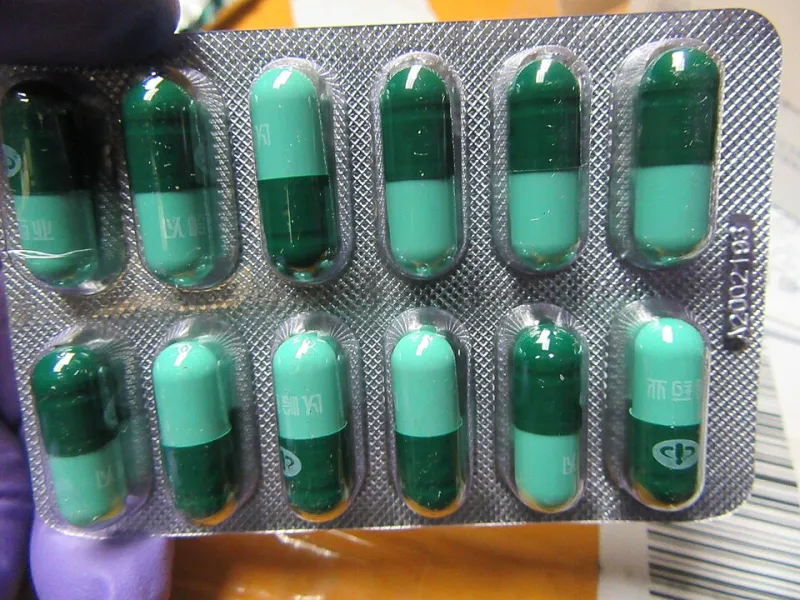
Photo: CBP Photography, Public domain, via Wikimedia Commons
In 2024, ordering prescription medication online feels routine. For many Americans managing erectile dysfunction, it has also become a way to avoid an uncomfortable conversation at the pharmacy counter or sidestep a costly doctor's visit. Unfortunately, this convenience has created fertile ground for one of the pharmaceutical industry's most dangerous problems: counterfeit ED medications.
The World Health Organization estimates that up to 50 percent of medications sold through unlicensed online sources are falsified or substandard. In the United States, the FDA has seized millions of counterfeit pills in recent years, many of them bearing the logos of well-known ED brands but containing none of the active ingredient — or worse, containing harmful substitutes. This is not a fringe problem. It is a widespread, growing public health concern that directly affects men who believe they are taking a safe, regulated product.
Why ED Medications Are Prime Targets for Counterfeiting
Understanding why this category of drugs is so heavily targeted helps explain the scale of the problem. ED medications are among the most in-demand prescription drugs in the country, with tens of millions of prescriptions written annually. They are also among the most price-sensitive: brand-name versions can cost $60 to $80 per pill at retail, creating enormous demand for cheaper alternatives.
That demand is being met — in part — by illegitimate operators who manufacture convincing replicas at minimal cost and distribute them through websites designed to look like licensed pharmacies. Because the average consumer cannot visually distinguish a counterfeit pill from an authentic one without laboratory testing, the fraud often goes undetected until something goes wrong.
What Counterfeit ED Pills Actually Contain
The contents of counterfeit ED medications vary widely, and that variability is precisely what makes them dangerous. FDA laboratory analyses of seized counterfeit products have found:
- No active ingredient — pills that are essentially inert, providing no therapeutic benefit
- Incorrect dosages — products labeled as 50 mg sildenafil that contain 100 mg or more, creating overdose risk
- Undisclosed active compounds — including prescription drugs not approved for the listed purpose
- Industrial chemicals — including printer ink, drywall compound, and commercial cleaning agents, documented in international seizures
- Undeclared medications — such as prescription blood pressure drugs, which can cause dangerous hypotension when combined with other treatments
For a man who is also taking nitrate medications or antihypertensives — a common profile among older patients with ED — ingesting an undisclosed pharmaceutical compound could trigger a life-threatening cardiovascular event.
Red Flags When Ordering ED Medications Online
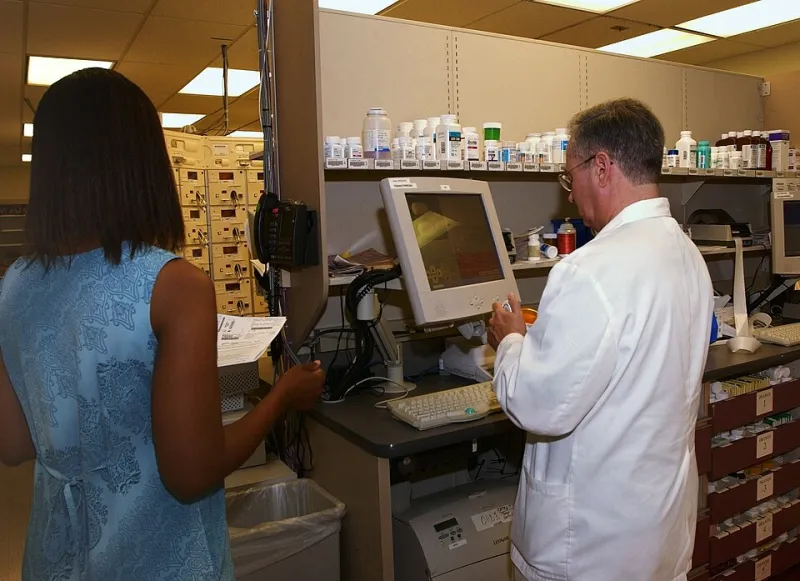
Not every online pharmacy is fraudulent. Legitimate telepharmacy and mail-order operations exist and can provide real value, particularly for patients in rural areas or those seeking greater privacy. The challenge is distinguishing reputable services from criminal enterprises. The following warning signs should prompt serious caution:
No prescription required. In the United States, sildenafil, tadalafil, and similar PDE5 inhibitors are Schedule V or prescription-only medications. Any website that will sell them without a valid prescription — or after a suspiciously brief online questionnaire that requires no physician interaction — is operating outside the law.
Prices that seem implausibly low. Legitimate generic sildenafil is available at significantly reduced costs through licensed pharmacies, but if a website is offering branded ED drugs at a fraction of their known market price, the economics rarely support a legitimate explanation.
No verifiable US address or phone number. Credible pharmacies operating in the United States are required to have a licensed pharmacist available and a verifiable physical address. Vague or foreign contact information is a meaningful red flag.
Unsolicited email offers. Legitimate pharmaceutical retailers do not market prescription medications through spam email. If an offer for ED medication arrived in your inbox without a prior relationship with the sender, treat it with extreme skepticism.
No SSL certificate or privacy policy. Basic website security standards and a clear privacy policy are minimum requirements for any legitimate health-related commerce site. Their absence suggests an operation that is not accountable to US regulatory standards.
How to Verify a Legitimate Online Pharmacy
The most reliable tool available to American consumers is the NABP (National Association of Boards of Pharmacy) VIPPS program — Verified Internet Pharmacy Practice Sites. VIPPS-accredited pharmacies have been independently vetted for compliance with state and federal regulations, and a searchable directory is available at nabp.pharmacy.
Additionally:
- Look for the NABP .pharmacy domain designation, which indicates verified status
- Confirm that the pharmacy requires a valid prescription from a licensed US physician
- Check that the pharmacy lists a licensed pharmacist who can answer questions
- Use the FDA's BeSafeRx campaign resources at fda.gov to cross-reference online pharmacy legitimacy
For men who prefer the privacy and convenience of telehealth-based ED prescriptions, several reputable platforms operate legally within the US, connecting patients with licensed physicians who conduct proper medical evaluations before any prescription is issued.
Recognizing a Counterfeit Pill After Purchase
Even when a purchase has already been made, there are observable indicators that a medication may not be authentic — though these are imperfect and should never replace verification before taking any medication.
- Inconsistent tablet appearance: Authentic medications from licensed manufacturers are produced under strict quality controls. Chips, uneven coating, unusual color variation, or inconsistent sizing within the same batch are warning signs.
- Unusual taste or smell: While most oral medications have a relatively neutral profile, a distinctly chemical, bitter, or otherwise unexpected taste may indicate a non-pharmaceutical ingredient.
- Packaging anomalies: Blister packs or bottles with blurry printing, misspellings, misaligned logos, or missing lot numbers and expiration dates are commonly associated with counterfeit products.
- Absence of expected effect — or unexpected side effects: If a medication produces no therapeutic response at the expected dose, or causes unusual symptoms, discontinue use and consult a healthcare provider.
The Regulatory Landscape and What It Means for Consumers
The FDA actively monitors and investigates counterfeit pharmaceutical distribution, and US Customs and Border Protection intercepts shipments of fraudulent medications at ports of entry. However, the sheer volume of online commerce makes comprehensive enforcement difficult. The consumer remains the last line of defense in many cases.
State pharmacy boards also play a role, licensing retail and mail-order pharmacies and investigating consumer complaints. If you suspect you have received counterfeit medication, you can report it to the FDA through MedWatch at fda.gov/safety/medwatch, and to your state pharmacy board.
Protecting Your Health Starts With Verification
The desire for privacy, affordability, and convenience is entirely understandable. But the risks associated with unverified online pharmaceutical purchases are not theoretical — they are documented, they are serious, and they are preventable. Before taking any ED medication obtained outside of a verified, licensed pharmacy channel, take the time to confirm its legitimacy.
Your physician or pharmacist can help you identify safe, cost-effective options for obtaining legitimate medications. Discount programs, generic equivalents from licensed manufacturers, and verified telehealth services all offer viable pathways to affordable, authentic treatment — without gambling with your health.