The Gym and the Prescription: What ED Medications Really Do to Athletic Performance
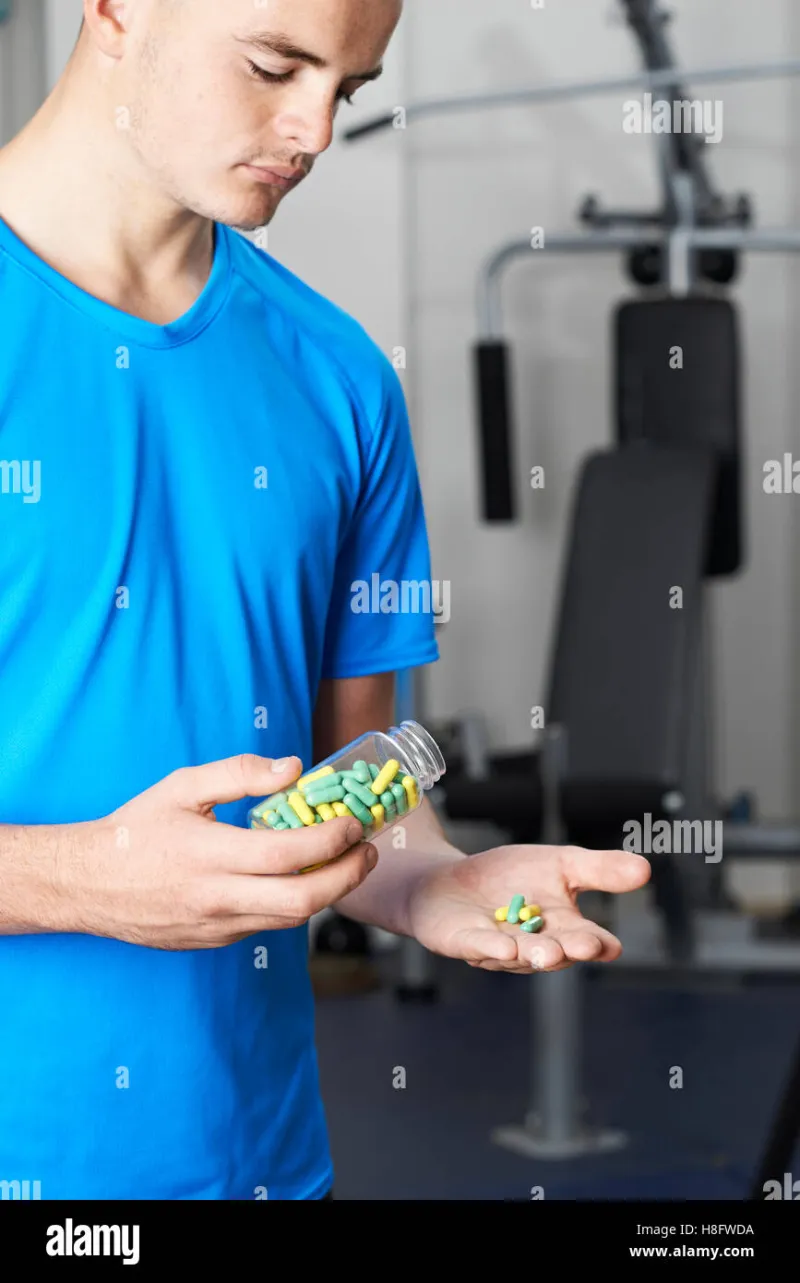
Photo: man exercising gym fitness health medication pills, via c8.alamy.com
Walk through any serious gym in the United States and you may encounter a quiet but persistent rumor: that phosphodiesterase type 5 (PDE5) inhibitors—the drug class that includes sildenafil (Viagra), tadalafil (Cialis), and vardenafil (Levitra)—offer a measurable boost to athletic output. Some gym-goers claim these medications improve endurance. Others insist they accelerate recovery. A few swear by them as a pre-workout alternative.
The reality, as clinical research consistently demonstrates, is considerably more complicated. For men managing erectile dysfunction who also maintain active fitness routines, understanding exactly how these medications interact with exercise physiology is not merely interesting—it is medically important.
How PDE5 Inhibitors Work in the Body
To understand the athletic implications, it helps to briefly review the mechanism of action. PDE5 inhibitors block an enzyme that degrades cyclic guanosine monophosphate (cGMP), a signaling molecule that promotes smooth muscle relaxation and vasodilation. The result is widened blood vessels and improved blood flow—a process that extends well beyond penile tissue.
Because these medications affect vascular tone throughout the body, it is biologically plausible that they could influence cardiovascular performance during exercise. The question is whether that influence is beneficial, negligible, or potentially harmful.
What the Research Actually Shows About Endurance
Several studies have examined sildenafil's effect on aerobic capacity, particularly at altitude—where reduced oxygen availability stresses the cardiovascular system. Research published in peer-reviewed journals has found modest improvements in exercise capacity among individuals with pulmonary arterial hypertension, a condition for which sildenafil (marketed as Revatio) is FDA-approved.
However, findings in healthy, sea-level athletes are far less consistent. A 2011 study in the Journal of Applied Physiology found no significant improvement in VO2 max or time-trial performance among trained cyclists using sildenafil at standard doses. Additional investigations have produced similarly underwhelming results for healthy individuals training at normal elevations.
The current scientific consensus: for the average gym-goer or recreational athlete without underlying pulmonary conditions, PDE5 inhibitors are unlikely to produce meaningful gains in cardiovascular endurance. The vasodilation that occurs is real, but its performance relevance in healthy subjects appears minimal.
Muscle Performance and Recovery: Separating Fact from Locker Room Lore
Beyond endurance, some fitness enthusiasts believe these medications accelerate muscle recovery by improving blood flow to fatigued tissue. The logic sounds appealing—more circulation, faster nutrient delivery, quicker repair.
Preclinical studies in animal models have shown some intriguing results, including evidence that PDE5 inhibitors may support muscle fiber regeneration under certain conditions. However, human trials validating this effect in strength-training contexts remain limited and largely inconclusive. Extrapolating animal data to human gym performance is scientifically premature.
What is well-documented is that sildenafil and its counterparts do reduce blood pressure. During intense resistance training—when blood pressure spikes naturally—this combination may cause excessive hypotension in some individuals, leading to dizziness, lightheadedness, or even fainting. This is not a theoretical risk; it is a clinically recognized concern.
The Pre-Workout Problem: Dangerous Combinations
This is perhaps the most urgent safety consideration for fitness-oriented patients. Many commercially available pre-workout supplements contain compounds that independently affect cardiovascular function—most notably caffeine, beta-alanine, arginine, and nitrate-based ingredients like beetroot extract.
L-arginine and dietary nitrates are particularly relevant. Both enhance nitric oxide production, which promotes vasodilation through a pathway that overlaps with PDE5 inhibitor activity. Combining a PDE5 inhibitor with a nitrate-heavy pre-workout supplement can produce additive vasodilatory effects, potentially causing a sharp and dangerous drop in blood pressure.
Energy drinks present a related concern. High-caffeine beverages stimulate the sympathetic nervous system and elevate heart rate. When layered on top of a vasodilating medication, the cardiovascular strain can be unpredictable—particularly in men who may already have undiagnosed cardiac risk factors.
Patients should be unambiguous with their prescribing physicians about supplement use. This includes over-the-counter pre-workouts, protein powders containing added stimulants, and herbal formulations marketed for energy or performance. None of these are pharmacologically inert.
What About Altitude and High-Intensity Training?
One area where the evidence leans more favorably toward PDE5 inhibitors is high-altitude exercise. Sildenafil has demonstrated the ability to reduce hypoxic pulmonary vasoconstriction—the narrowing of lung blood vessels that occurs at elevation—which can improve exercise tolerance in mountain environments.
For men who live at or travel to high-altitude locations such as Denver, Colorado Springs, or ski resort communities in the Rockies, this may have practical relevance. However, even in this context, sildenafil is not a substitute for proper altitude acclimatization, and its use should be guided by a physician rather than self-directed experimentation.
Realistic Expectations for Men Managing ED Who Also Train
For the majority of physically active men taking PDE5 inhibitors to treat erectile dysfunction, the primary concern is not performance enhancement—it is safe integration of their prescription into a fitness lifestyle. Several practical considerations apply:
Timing matters. Sildenafil typically reaches peak plasma concentration within 30 to 120 minutes of ingestion and has a half-life of approximately four hours. Scheduling doses away from the most intense portions of a training session may reduce cardiovascular stress.
Hydration is critical. Vasodilation combined with exercise-induced sweating can lower blood pressure more significantly than either factor alone. Adequate fluid intake before, during, and after workouts is essential.
Symptom awareness is non-negotiable. Dizziness, chest discomfort, shortness of breath, or unusual palpitations during exercise while on a PDE5 inhibitor warrant immediate cessation of activity and medical evaluation.
Communicate with your physician. Men who engage in high-intensity training—CrossFit, competitive cycling, distance running, heavy powerlifting—should specifically discuss their exercise habits during any consultation about ED medications. Dosage adjustments or alternative treatment approaches may be appropriate.
The Bottom Line for Fitness-Conscious Patients
ED medications are not performance-enhancing drugs in any clinically validated sense for healthy, normotensive athletes training at standard elevations. The cardiovascular effects that make them effective for erectile dysfunction do not translate into measurable athletic gains under typical conditions.
What they can do—if used carelessly—is create cardiovascular stress when combined with stimulant-heavy supplements, intense exertion, and insufficient hydration. That risk profile deserves serious attention.
For men who are both managing ED and committed to their fitness goals, the path forward is straightforward: use prescribed medications as directed, maintain transparent communication with a healthcare provider, and approach any supplement combination with appropriate caution. Performance in the gym and effective ED treatment are not mutually exclusive—but achieving both safely requires informed, evidence-based decision-making rather than reliance on gym mythology.