Is Your ED Medication on a Recall List? A Step-by-Step Guide to Checking Your Prescription's Safety in Real Time
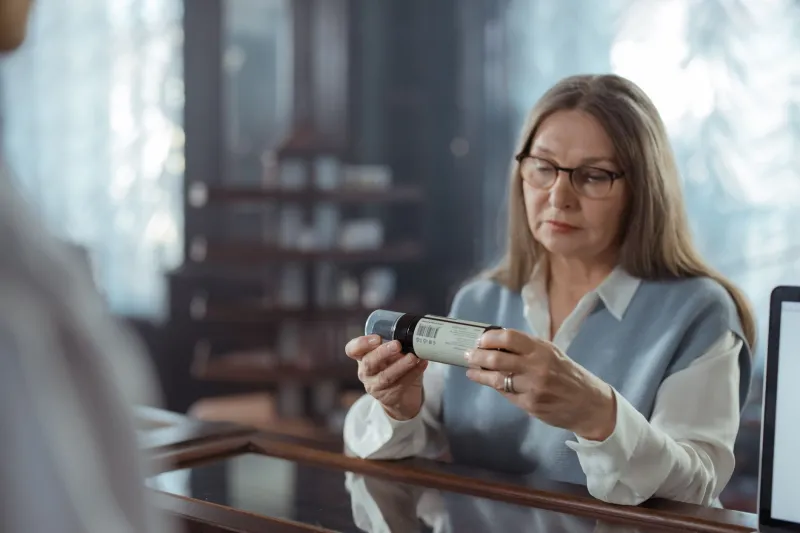
Medication recalls make national headlines when they involve blood pressure drugs or infant formula. When an ED medication is affected, the news cycle is considerably quieter. That silence doesn't reflect a lower level of risk—it reflects the stigma that continues to surround erectile dysfunction treatment. As a result, millions of American men may be unknowingly holding recalled medication in their bathroom cabinets right now.
This article explains how pharmaceutical recalls work, which ED medications have been affected in recent years, and—most importantly—provides a clear, step-by-step process for verifying your specific prescription's safety status using real-time federal resources.
Why ED Medication Recalls Receive Less Attention
The FDA issues recalls across all drug categories with equal regulatory authority. What differs is public awareness. Conditions like erectile dysfunction carry persistent social stigma, which means patients are less likely to discuss their prescriptions openly, pharmacies may communicate recalls less proactively, and media coverage is muted compared to recalls affecting medications for more publicly discussed conditions.
The practical consequence: a man taking a recalled lot of sildenafil or tadalafil may never receive a direct notification. Unlike a recalled vehicle, which triggers a federal mailing obligation, prescription drug recalls rely heavily on a chain of communication from the FDA to the manufacturer, from the manufacturer to the distributor, and from the distributor to the pharmacy. Patients are often the last link in that chain—and sometimes fall off it entirely.
How Pharmaceutical Recalls Are Classified
The FDA classifies recalls into three categories, and understanding the difference matters:
- Class I recalls involve a reasonable probability that the product will cause serious adverse health consequences or death. These are the most urgent.
- Class II recalls indicate that a product may cause temporary or medically reversible adverse health consequences, with a remote probability of serious harm.
- Class III recalls involve products that are unlikely to cause adverse health consequences, but violate FDA regulations—often due to labeling errors or manufacturing process deviations.
ED medications have appeared in all three categories. Class II and Class III recalls for generic sildenafil and tadalafil have occurred due to issues including incorrect dosage strength, improper dissolution rates, contamination with undisclosed active pharmaceutical ingredients, and substandard manufacturing conditions.
Recent Recalls Affecting ED Medications
Several recalls relevant to ED medications have been issued in recent years, though coverage was limited:
- Multiple manufacturers of generic sildenafil have issued voluntary recalls due to the discovery of nitrosamine impurities—the same class of potential carcinogens that triggered massive recalls of blood pressure and heartburn medications in 2018 through 2023.
- Counterfeit sildenafil products entering the legitimate supply chain through gray-market distributors have prompted enforcement actions that function similarly to recalls.
- Tadalafil products have been recalled due to labeling discrepancies in which the stated dosage differed from the actual active ingredient content—a Class II concern with direct clinical implications.
None of these generated significant national coverage. Yet each posed real risks to real patients.
Step-by-Step: How to Check Your Medication's Recall Status
The FDA provides free, publicly accessible tools that allow any patient to verify the current status of their prescription. Here is how to use them effectively.
Step 1: Locate your lot number. Your lot number appears on the outer packaging of your medication—typically on the bottom or side panel, printed near the expiration date. It is a combination of letters and numbers. If you have discarded your packaging, contact your pharmacy; they are required to maintain dispensing records that include lot numbers.
Step 2: Visit the FDA's MedWatch Recalls database. Navigate to www.fda.gov/safety/recalls-market-withdrawals-safety-alerts. This database is updated in real time and is searchable by drug name, manufacturer, and date range.
Step 3: Search by active ingredient or brand name. Enter terms such as "sildenafil," "tadalafil," "vardenafil," or the specific brand name of your medication. Review any active or recently closed recalls to identify whether your manufacturer is listed.
Step 4: Cross-reference with the RxList or NDC directory. If a recall is listed, it will specify the National Drug Code (NDC) and lot numbers affected. Compare these against your packaging. The NDC number is the 10- or 11-digit code also found on your prescription label.
Step 5: Contact your pharmacy directly. If you identify a match—or if you cannot locate your lot number—call your dispensing pharmacy immediately. Under FDA regulations, pharmacies are required to quarantine and return recalled products. They can confirm whether your specific fill was affected and arrange a replacement.
Step 6: Report adverse events if applicable. If you have experienced unexpected side effects from a medication and suspect a quality issue, you can file a voluntary report through the FDA's MedWatch online reporting form at www.fda.gov/safety/medwatch. Your report contributes to the surveillance system that triggers future recalls.
What to Do If Your Medication Has Been Recalled
Do not continue taking a recalled medication while awaiting clarification. Contact your prescribing physician to discuss a temporary alternative or a replacement prescription. Your pharmacy is obligated to process a recalled product at no cost to you, and your insurer should not penalize you for an early refill necessitated by a recall.
Document everything: keep a photograph of your lot number, save any communication from your pharmacy or physician, and retain the original packaging until the situation is fully resolved.
Building a Proactive Safety Habit
Checking recall status should not be a one-time action. Consider making it a quarterly habit, particularly if you take a generic formulation from a manufacturer you are not familiar with. Generic ED medications are produced by dozens of manufacturers and distributed through complex supply chains, making quality variation a genuine, if underreported, concern.
The FDA's email subscription service allows you to receive automatic alerts when new recalls are issued. You can sign up at www.fda.gov/safety/recalls-market-withdrawals-safety-alerts and filter by drug category.
Your pharmacist is also an underutilized resource. A board-certified pharmacist can advise you on manufacturer reputation, flag recent safety communications, and help you interpret recall notices. Do not hesitate to ask.
The Bottom Line
Medication safety is not the exclusive responsibility of regulators and pharmacies. Informed patients who actively engage with available federal tools are far better protected than those who rely solely on passive notification. The resources exist. The process, once learned, takes fewer than five minutes. For a medication you may be taking regularly, that five minutes is time well spent.