Drug Interactions and ED Medications: A Practical Risk Reference Every Patient Should Read in 2024

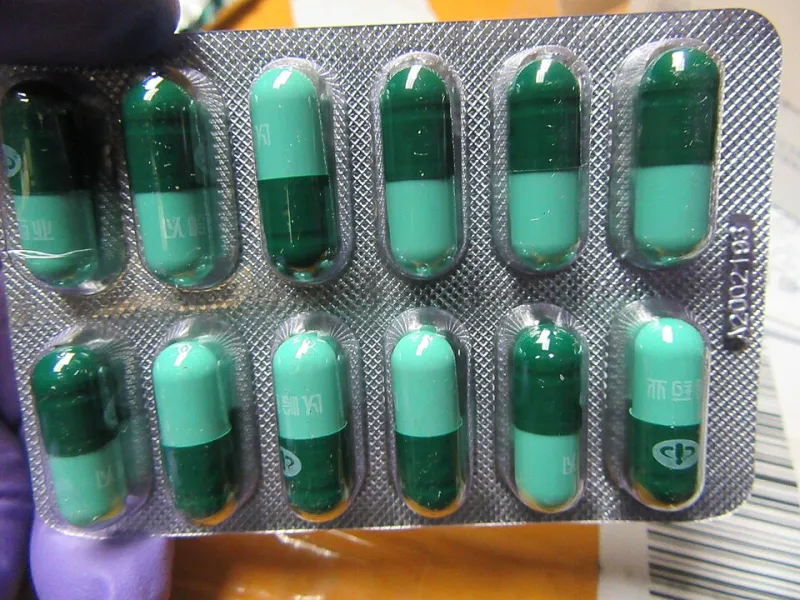
Photo: U.S. Navy NMRTC by Emily McCamy, Public domain, via Wikimedia Commons
Millions of American men take erectile dysfunction medications — sildenafil, tadalafil, vardenafil, or avanafil — and millions of those same men are also managing other chronic or acute health conditions that require their own prescriptions. The intersection of these medication lists is where drug interactions live, and it is a territory that deserves far more patient attention than it typically receives.
This reference guide is organized by drug category to make it easy to locate the medications most relevant to your situation. Each section includes a risk designation — Critical, Significant, or Moderate/Monitor — along with an explanation of the underlying mechanism and recommended patient actions.
Important Disclaimer: This guide is intended for educational purposes and does not substitute for professional medical advice. Always inform your prescribing physician and pharmacist of every medication you take, including over-the-counter drugs and supplements.
Understanding How ED Medication Interactions Occur
PDE5 inhibitors work primarily by inhibiting an enzyme that regulates blood vessel dilation. The result is reduced vascular resistance and increased blood flow. This mechanism — while therapeutically targeted — can amplify or be amplified by other drugs that affect blood pressure, liver metabolism, or cardiac function.
Most serious interactions fall into one of three categories:
- Pharmacodynamic interactions: Two drugs produce the same physiological effect (e.g., both lower blood pressure), compounding the outcome to a dangerous degree.
- Pharmacokinetic interactions: One drug alters how the body metabolizes another, increasing or decreasing blood plasma concentration.
- Organ-specific interactions: Combined use stresses a particular system — most commonly the cardiovascular system — beyond safe parameters.
Nitrates — ⚠️ CRITICAL Risk
Drugs in this category: Nitroglycerin (Nitrostat, Nitro-Dur), isosorbide mononitrate (Imdur), isosorbide dinitrate (Isordil), amyl nitrite (including recreational "poppers")
Why it matters: This is the most dangerous interaction associated with ED medications, and it is absolute. Both nitrates and PDE5 inhibitors cause vasodilation. When combined, the blood pressure drop can be severe and sudden — a condition called profound hypotension — which can precipitate fainting, myocardial infarction, or stroke.
Patient action: ED medications are contraindicated with all nitrate-containing drugs. This is not a matter of timing or dose adjustment. If you take nitrates for chest pain or heart disease, discuss alternative ED management strategies with your cardiologist before taking any PDE5 inhibitor.
Antihypertensive Medications — ⚠️ SIGNIFICANT Risk
Drugs in this category: Alpha-blockers (tamsulosin/Flomax, doxazosin/Cardura, terazosin), calcium channel blockers (amlodipine/Norvasc, diltiazem), ACE inhibitors (lisinopril, enalapril), beta-blockers (metoprolol, atenolol), diuretics
Why it matters: Alpha-blockers carry the highest risk within this category. Like PDE5 inhibitors, alpha-blockers relax smooth muscle and lower blood pressure. Concurrent use can cause orthostatic hypotension — a sudden drop in blood pressure upon standing — resulting in dizziness, lightheadedness, and falls. Other antihypertensive classes carry a lower but real risk of additive blood pressure reduction.
Patient action: If you take alpha-blockers for either hypertension or benign prostatic hyperplasia (BPH), consult your physician before starting any ED medication. Dose timing separation and lower starting doses of the PDE5 inhibitor are commonly recommended strategies. For other antihypertensives, blood pressure monitoring when initiating ED therapy is advisable.
Antidepressants and Psychiatric Medications — ⚠️ SIGNIFICANT Risk
Drugs in this category: SSRIs (sertraline/Zoloft, fluoxetine/Prozac, paroxetine/Paxil), SNRIs (venlafaxine/Effexor), MAOIs (phenelzine, tranylcypromine), antipsychotics (thioridazine, haloperidol)
Why it matters: SSRIs and SNRIs are among the most common causes of medication-induced erectile dysfunction in the United States. The interaction here is less about acute safety risk and more about therapeutic complexity: these drugs may reduce the efficacy of PDE5 inhibitors. MAOIs, however, carry more serious cardiovascular interaction potential. Certain antipsychotics — particularly those with QT-prolonging effects — may interact with vardenafil, which also has QT-prolonging properties, increasing arrhythmia risk.
Patient action: Inform your psychiatrist and prescribing physician of all medications in use. For men on SSRIs experiencing ED, dose adjustments, medication switching, or adjunct therapies may be considered. Avoid vardenafil if you take QT-prolonging antipsychotics without explicit cardiological clearance.
Antifungal Medications — 🔶 SIGNIFICANT to MODERATE Risk
Drugs in this category: Ketoconazole, itraconazole (Sporanox), fluconazole (Diflucan)
Why it matters: These antifungals are potent inhibitors of the CYP3A4 liver enzyme, which is the primary metabolic pathway for most PDE5 inhibitors. When CYP3A4 is inhibited, ED medications are broken down more slowly, causing plasma concentrations to rise significantly — potentially doubling or tripling effective drug exposure. This increases the risk of side effects including severe headache, flushing, visual disturbances, and hypotension.
Patient action: Dose reduction of the ED medication is typically required when co-administering with potent CYP3A4 inhibitors. Prescribers often recommend reducing sildenafil to 25 mg or limiting tadalafil frequency. Do not self-adjust — ask your pharmacist or physician for specific guidance.
Certain Antibiotics — 🔶 MODERATE Risk
Drugs in this category: Erythromycin, clarithromycin (Biaxin), ciprofloxacin (Cipro)
Why it matters: Macrolide antibiotics like erythromycin and clarithromycin are moderate CYP3A4 inhibitors, meaning they can elevate plasma levels of PDE5 inhibitors, though generally to a lesser degree than azole antifungals. Ciprofloxacin also has mild inhibitory effects on this enzyme pathway.
Patient action: If you are prescribed a short course of these antibiotics while also using an ED medication, notify your prescribing physician. In many cases, no change is required for short-duration antibiotic courses, but monitoring for enhanced side effects is prudent.
HIV Antiretrovirals — ⚠️ SIGNIFICANT Risk
Drugs in this category: Ritonavir (Norvir), saquinavir, indinavir, lopinavir
Why it matters: HIV protease inhibitors are among the most potent CYP3A4 inhibitors known. Ritonavir in particular can increase sildenafil plasma concentration by up to elevenfold. This dramatically amplifies both the therapeutic effects and adverse effects of ED medications.
Patient action: Ritonavir is contraindicated with sildenafil when used for pulmonary arterial hypertension and requires strict dose caps for ED use (no more than 25 mg of sildenafil in a 48-hour period). Tadalafil dose should not exceed 10 mg every 72 hours in this context. Management requires close coordination between your HIV specialist and primary care physician.
Statins and Cardiovascular Agents — 🟡 MODERATE/MONITOR
Drugs in this category: Atorvastatin (Lipitor), simvastatin (Zocor), rosuvastatin (Crestor), digoxin
Why it matters: Most statins are metabolized through CYP3A4, creating a theoretical interaction with PDE5 inhibitors. In practice, clinically significant interactions at standard doses are uncommon but not impossible, particularly with simvastatin and high-dose atorvastatin. Digoxin, used for heart failure and arrhythmias, requires careful monitoring when combined with any vasodilatory agent.
Patient action: Routine statin use does not generally require dose adjustment for ED medications, but patients on high-dose statins or digoxin should ensure their cardiologist is aware of their complete medication list.
A Framework for Safer Medication Management
Regardless of which specific medications apply to your situation, the following practices reduce interaction risk across the board:
- Maintain a complete, updated medication list — including supplements, vitamins, and over-the-counter drugs — and share it with every prescriber and pharmacist you see.
- Use a single pharmacy when possible. Pharmacy software systems are designed to flag interaction risks, but only if all your prescriptions are in the same system.
- Never start or stop a medication in isolation. Changes to one prescription can shift the risk profile of others you are already taking.
- Report new symptoms promptly. Dizziness, chest discomfort, visual changes, or unusual fatigue after starting an ED medication should prompt immediate medical contact.
At SilagraTab, we believe that medication safety is not a passive outcome — it is the product of informed patients asking the right questions. This reference is a starting point for that conversation with your healthcare team.