Cocktails and Prescriptions: The Hidden Pharmacological Conflict Between Alcohol and ED Medications
There is a certain cultural logic to it: a glass of whiskey before an intimate encounter feels like a natural way to quiet the nerves. For millions of American men managing erectile dysfunction, however, that familiar ritual may be working directly against the medication sitting in their medicine cabinet. Understanding why alcohol and ED treatments are pharmacologically incompatible — and what to do instead — is not merely a matter of optimizing a pill. It is a matter of protecting cardiovascular health, preserving treatment reliability, and making genuinely informed decisions.
How ED Medications Work — and Why Alcohol Disrupts the Process
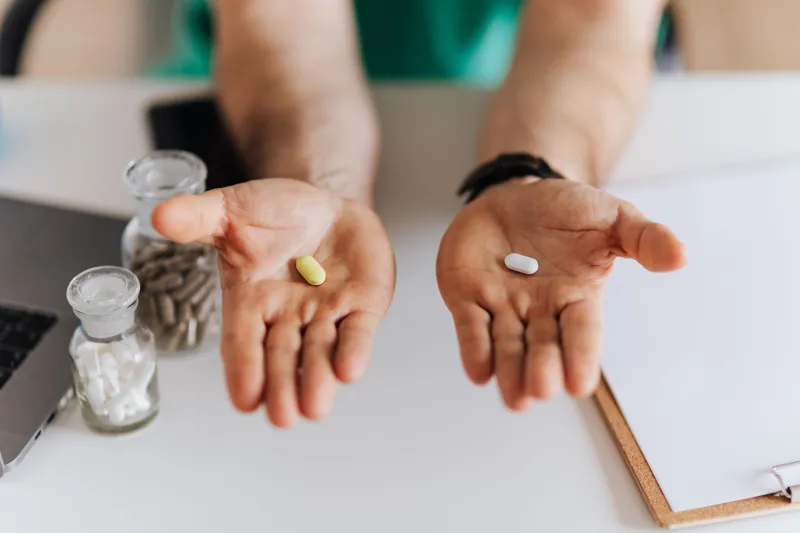
Phosphodiesterase type 5 (PDE5) inhibitors, the class of drugs that includes sildenafil, tadalafil, vardenafil, and avanafil, work by relaxing the smooth muscle tissue in penile blood vessels. This relaxation allows increased blood flow in response to sexual stimulation. The key mechanism involves the dilation of blood vessels — a process that lowers vascular resistance and facilitates an erection.
Alcohol is also a vasodilator. At first consideration, this might seem complementary. In practice, however, the combination creates a compounding effect on blood pressure that can produce clinically significant hypotension — an abnormal drop in blood pressure that results in dizziness, fainting, rapid heartbeat, and in severe cases, cardiovascular events. Research published in peer-reviewed pharmacology literature consistently confirms that even moderate alcohol consumption amplifies the blood pressure-lowering properties of PDE5 inhibitors beyond safe thresholds for many patients.
Beyond the cardiovascular dimension, alcohol is a central nervous system depressant. It interferes with the neurological signaling that initiates and sustains arousal. ED medications require an intact arousal response to function — they do not create erections independently. Alcohol, particularly in quantities exceeding one to two standard drinks, suppresses precisely the neural pathways that PDE5 inhibitors depend upon.
Does the Type of Alcohol Matter?
A common misconception is that the specific beverage — whiskey versus wine versus beer — determines the degree of risk. In pharmacological terms, what matters most is the total ethanol content consumed and the timing relative to medication dosing.
That said, certain practical distinctions are worth noting:
- Spirits (whiskey, vodka, rum, tequila): High ethanol concentration per volume means that even small quantities can rapidly elevate blood alcohol levels, intensifying vasodilatory effects. Whiskey and bourbon are frequently consumed in larger pours in American social settings, compounding the risk.
- Wine: A standard five-ounce glass contains roughly the same ethanol as a 1.5-ounce shot of spirits. The slower consumption pace of wine may reduce acute risk, but multiple glasses eliminate this marginal advantage entirely.
- Beer: Lower ethanol concentration per serving, but the volume typically consumed at social events — two to four cans or bottles — can accumulate to clinically relevant levels.
The FDA-approved prescribing information for sildenafil specifically advises patients that substantial alcohol consumption increases the risk of orthostatic hypotension. Similar warnings accompany tadalafil and vardenafil labeling. These are not precautionary boilerplate statements — they reflect documented adverse event data.
The Anxiety Loop That Makes This Worse
Performance anxiety is one of the most common psychological contributors to erectile dysfunction, particularly among men who are newer to ED treatment or who have experienced prior treatment failures. The temptation to use alcohol as an anxiolytic before intimacy is therefore understandable and, from a behavioral standpoint, deeply ingrained in American social culture.
The problem is that this strategy tends to create a self-reinforcing cycle. Alcohol impairs medication effectiveness, which leads to a treatment failure, which intensifies anxiety, which prompts greater alcohol consumption before the next attempt. Over time, this pattern erodes confidence in the medication itself — sometimes causing men to abandon effective treatment prematurely or to incorrectly conclude that their dosage is inadequate.
Clinicians treating ED frequently identify this cycle as a significant barrier to sustained treatment success. Addressing it requires not just awareness of the pharmacological conflict, but practical substitutes for the anxiety-management role that alcohol has been filling.
Evidence-Based Alternatives for Pre-Intimacy Anxiety
Managing performance anxiety without alcohol is both achievable and, according to current behavioral health research, more effective in the long term. Consider the following approaches:
Diaphragmatic breathing and progressive muscle relaxation: Both techniques have demonstrated efficacy in reducing acute anxiety in clinical settings. Practiced for five to ten minutes prior to intimacy, these methods lower cortisol levels and activate the parasympathetic nervous system — the physiological state most conducive to sexual response.
Cognitive behavioral therapy (CBT): For men whose anxiety is a persistent feature of their ED experience, short-term CBT with a licensed therapist has substantial evidence supporting its effectiveness. Many US-based therapists now offer telehealth sessions, making access considerably more convenient.
Mindfulness-based stress reduction (MBSR): A growing body of research supports mindfulness practice as an intervention for sexual performance anxiety. Even brief daily mindfulness exercises — ten to fifteen minutes — can meaningfully reduce anticipatory anxiety over several weeks.
Open communication with a partner: Research in sexual medicine consistently identifies partner communication as one of the strongest protective factors against performance anxiety. Reducing the perceived stakes of any single encounter significantly lowers the anxiety threshold that triggers the reach for a drink.
What to Drink Instead: Social Situations and Medication Safety
For many American men, social drinking is a normal part of life — dinner with a partner, a gathering with friends, a relaxed evening at home. The goal is not abstinence for its own sake, but informed moderation that preserves both social comfort and medication reliability.
If you have taken or plan to take an ED medication, the following practical guidelines apply:
- Limit consumption to one standard drink maximum if intimacy is anticipated within four to six hours of dosing. For longer-acting medications like tadalafil (Cialis), which remain active for up to 36 hours, this window requires broader consideration.
- Non-alcoholic alternatives have expanded dramatically in the US market. Craft non-alcoholic beers, zero-proof spirits, and sparkling beverages now offer socially normalized options that allow participation in social rituals without pharmacological compromise.
- Hydrate actively. Alcohol is dehydrating, and dehydration can independently worsen the hypotensive effects of PDE5 inhibitors. Alternating alcoholic beverages with water is a harm-reduction strategy with genuine physiological benefit.
- Discuss timing with your prescribing physician. If your social calendar regularly includes drinking occasions, your doctor may be able to adjust dosing timing or recommend a medication formulation better suited to your lifestyle.
A Final Word on Informed Medication Use
ED medications represent a significant clinical advance for millions of American men. Used correctly, they are both safe and highly effective. Used in combination with substantial alcohol consumption, however, they carry real risks — to treatment outcomes and to cardiovascular health.
The whiskey before bed is a deeply human response to vulnerability. But the pharmacology does not accommodate sentiment. Understanding this conflict, and building practical strategies around it, is what separates frustrated, inconsistent treatment experiences from genuinely successful ones. Consult your healthcare provider about your specific medication, dosage, and health history before making any changes to how you manage alcohol in the context of your treatment plan.